

Firmware is a part of Internet of Things (IoT) devices that you can’t see, measure or control. If a device — like a smart meter — contains an IoT module, it’s running firmware. When powered on, the firmware code is usually the first to run. It’s the foundation of the chain of trust and security for an IoT device.
However, IoT device manufacturers are not 100% certain what that firmware is doing. In addition, they don’t know who wrote it or signed off on it.
Smart Meters and Cellular Communications Modules
Governments are launching extensive global rollouts to digitize and modernize energy systems using IoT. One of these deployments is known as massive IoT.
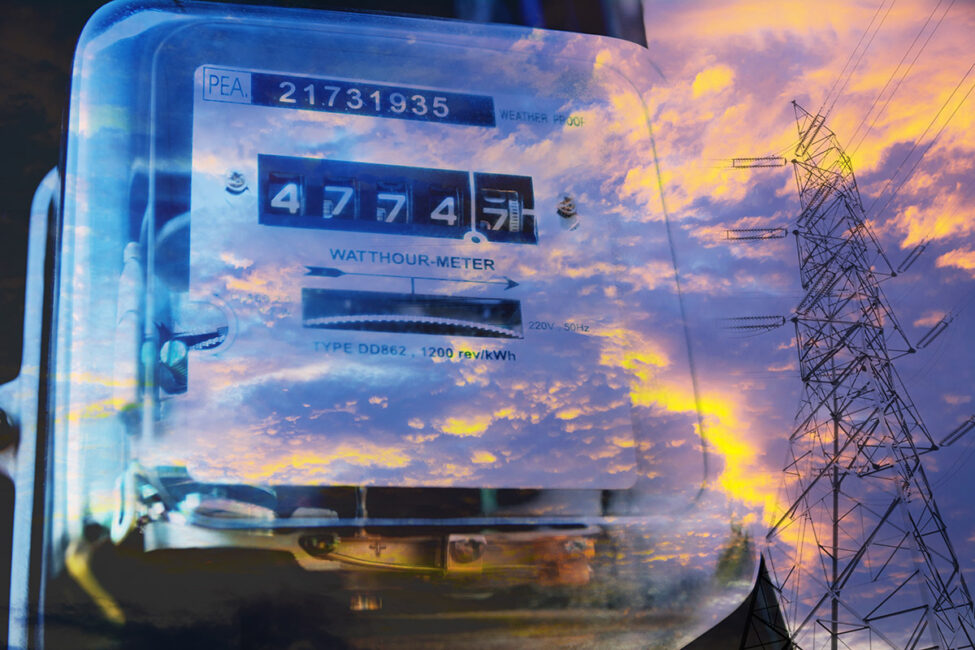
A well-known example in the energy sector is the smart meter. Meters send real-time data over the internet to energy companies as customers consume energy. This capability has significantly impacted efficiency and labor costs since it eliminates on-site meter readings and estimated bills.
Even more critical, smart meters help balance energy consumption and generation. They collect detailed data on the quality of energy at different points of use and manage stresses on the smart grid.
Most smart meters use cellular technology to gather data and send it to the energy company.
The core chipset of a cellular communications module is an advanced processor. It runs the protocol stacks required for cellular networks. In addition, it contains hardware components like power and radio. This functionality is difficult to integrate directly into a smart meter.
Module manufacturers source the components on a massive scale and sell a packaged solution with relevant approvals. As far as the device manufacturer is concerned, the module looks like another chip to integrate during manufacturing.
What about the IoT Firmware?
Firmware is software embedded into a device. It makes the device run properly and communicate with other software. It also sets up protections to secure the device and operating system.
Modules contain a lot of code, which is always written by the module manufacturer.
The module and behavior of the core chipset are controlled by attention commands or AT commands. The code interprets these commands and returns a response. The AT interface provides the only view of what the module is doing. Still, this view is under the control of the module manufacturer.
Given firmware’s critical role in IoT device operation, you must have complete trust in your module supplier.
Learn more about who controls your IoT device and IoT firmware security.
Potential Cybersecurity Threat for Smart Meters
In May 2022, the Czech government warned about potential cybersecurity threats. These high risks were identified by using energy-related technology and software smart metering tools like smart meters. The threat highlighted the questionable trustworthiness of a supplier’s business and legal and political operations.
The impact of IoT security breaches can be devastating. Compromised security isn’t just about sending inaccurate data.
Moreover, security breaches can include extensive interruptions like disconnection. Mass disconnection of thousands of consumption points can lead to blackouts. These blackouts can impact an entire country and its economy.
Unfortunately, cyberattacks are increasing at alarming rates.
Recently, the European Union (EU) proposed a regulation on cybersecurity requirements. This proposal, known as the Cyber Resilience Act, applies to products with digital elements throughout the entire lifecycle. It introduces cybersecurity rules to ensure that more hardware and software products enter the market with fewer vulnerabilities.
IoT has diverse needs, from high speeds for video applications to low speeds for sensors. They range from low latency for voice communications and control systems to large capacity for dense deployments. The biggest requirement for transactional device classes is lower power consumption and longer battery life, which is what LPWAN offers.
Cellular LPWAN solutions overcome three former obstacles to widespread adoption:
- Cellular connection modules and associated data plans are now more affordable
- Coverage is widely available, even indoor and in remote areas
- Battery life lasts a decade if the design is done right
Looking for a Trusted IoT Provider
It’s always best practice to conduct due diligence before selecting a supplier to avoid potential threats. Here are a few questions to start your search for a trusted vendor.
3 Questions to Ask:
- Does the company have references for key government-backed and critical infrastructure projects?
- Can the company demonstrate strict quality procedures governed by regulations?
- Are there any doubts about the business, legal or political environments in which the supplier operates?
Leverage our IoT expertise and leadership to create smart energy IoT solutions you can trust. We can build your ready-to-launch, secure smart meter with our wireless IoT modules, connectivity services, platforms and solutions. Our offerings can help you optimize distribution, reduce operating expenses and improve customer service.
Speak to our IoT experts to learn more about our secure smart meter solutions.
Request a Consultation