
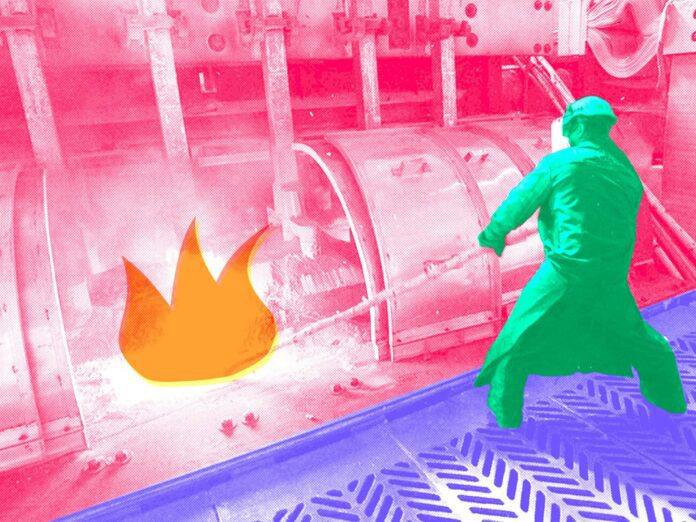
Aluminum is one of the most consumed materials in the world. Engineers are improving their manufacturing technologies to reduce municipal solid waste (MSW). They also search for cost-effective production techniques to support the eco-consumer market, like using IoT in aluminum manufacturing.
Should more aluminum manufacturers adopt advanced technology in their practices? Here is a look at how professionals can use IoT in aluminum manufacturing to improve this industry’s convenience, sustainability, and cost-efficiency.
'Smart technology is efficient and minimizes operating costs. Lowering smelting costs can decrease the price of aluminum.' -Ellie PoverlyClick To TweetIndustrial IoT Systems
IoT is revolutionizing the industrial sector. Manufacturers are utilizing these digital systems to automate their production processes completely. Many industry professionals also refer to IoT in manufacturing as Industry 4.0.
Industry 4.0 signifies the exchange of data through manufacturing technologies and advancements in automated models. Autonomous devices use smart systems and real-time data analytics to enhance production.
IoT technologies improve manufacturing efficiencies by reducing human error, significantly minimizing surface-level pollution. There are three ways IoT in aluminum manufacturing is improving the industry’s production rate.
Smart Technologies for Smelting
Industry 4.0 engineers developed smart technologies to increase operators’ visibility during smelting processes. IoT systems can collect and analyze smelting data, which helps professionals make informed production decisions. Smart systems can also autonomously take metal temperatures to monitor smelting conditions.
Manufacturers can install real-time notification sensors to send alerts to operators. The vibrations inform professionals of pump damage and other efficiency degrading occurrences. Adding smart technology to aluminum smelting facilities also enhances communication between machines and operators.
Some smelting facilities are entirely autonomous and allow operators to work remotely, relying on broadband connections to monitor aluminum production technologies offsite. Smart technologies often require high-speed internet connections, so wi-fi connections may help operators and smart machines optimize aluminum smelting.
Smart technology is efficient and minimizes operating costs. Lowering smelting costs can decrease the price of aluminum.
IoT Energy Monitors
Aluminum manufacturers can also improve the cost-efficiency of production by installing IoT energy monitors. Smart technology connects to a facility’s energy meter and gathers data. The connected monitors then identify how much electricity a facility wastes.
It also breaks down a facility’s energy use based on high-consumption appliances by autonomously converting the data into digestible graphs and charts. Aluminum manufacturers can then access this information on their smartphones or tablets.
Smart energy monitors act as continuous electricity auditors. They alert operators when energy use significantly changes, which may signify damage. Aluminum producers can minimize waste and preserve machines by installing IoT energy monitors.
Smart Thermostats for Manufacturing Facilities
Another IoT technology improving aluminum manufacturing facilities is a smart thermostat. Smart thermostats connect to a facility’s heating, ventilation, and air conditioning (HVAC) systems. The technology relies on consistent internet connections to access real-time weather predictions.
Aluminum manufacturing facilities produce significant amounts of heat during smelting. Smart thermostats can optimize cooling processes using weather data. They create less cool air during the summer and let outdoor temperatures cool off smelting systems.
Smart thermostats may enhance HVAC systems’ longevity and minimize energy waste by monitoring indoor and outdoor temperatures. They also use motion detection sensors to adjust indoor climates based on occupancy rates. These sensors may detect when employees are out of a manufacturing facility and turn off the thermostat.
Benefits of Using IoT in Aluminum Manufacturing
Aluminum manufacturers are adopting IoT technologies to access economic and environmental benefits. Smart systems can help improve manufacturing efficiencies by decreasing energy waste and lowering utility costs with reduced electricity consumption.
Manufacturers may also improve the affordability of aluminum by reducing material waste. Relying on high-precision technology minimizes human-caused errors, reducing waste to lessen production costs and protect the environment.
Producers can also increase their profits by improving the sustainability of manufacturing processes. About 85 percent of modern customers will pay more for eco-friendly goods and services. Because of these higher numbers, decisionmakers could stand to enhance business with more sustainable practices.
Global society produces over 2.01 billion tons of landfill pollution each year. Aluminum producers can use IoT to minimize MSW. Reducing the amount of trash with smart technologies helps aluminum manufacturers meet eco-consumer demands.
Should Business Owners Invest in IoT Technologies?
Aluminum manufacturers can invest in IoT technologies to improve sales and reduce operating costs. Autonomous technologies can also boost employee productivity by minimizing tedious tasks and enhancing safety. Leaders could maintain low insurance premiums by decreasing job site accidents.
Investing in IoT systems can also improve the use of resources. Aluminum manufacturers may economically benefit from adopting smart technologies, which can help them pay off their initial fees.
Tweet
Share
Share
- Automation
- Industrial Automation
- Connectivity
- Energy
- Industry 4.0
- Automation
- Industrial Automation
- Connectivity
- Energy
- Industry 4.0